Reflection
Overall, I am pleased with my progress across the module, and I am very satisfied with the piece I have created for my performance assignment. Although it is very different from my performance proposal, I still feel as though I am exploring the themes that I wished to discuss at the start. I would still cite my main source of inspiration as being Steffan Donnelly's "My Body Welsh", as I am also adapting old tales for stage, merging folklore and performance. I feel as though through adapting the tales of Tyno Helig and Cantre'r Gwaelod (and "The Bells of Aberdovey", a song about the tale), both from Sir John Rhys's "Celtic Folklore: Welsh and Manx", making them told from the perspective of the personified sea, I am exploring the ways in which folklore is adapted, and how the meaning of a story lies within the narrator.
In the original tales, the sea floods the kingdoms as a source of supernatural punishment, though in my adaption, the sea unwittingly destroys the land out of curiosity, simply wishing to explore. I intended this to be a metaphor for the ways that stories may be twisted by the teller. History is written by the victors, and I think it is important to consider everyone's perspective before reaching conclusions about someone's personality, as when it comes down to it, you can never define someone else's identity for them. Our identity is our own.
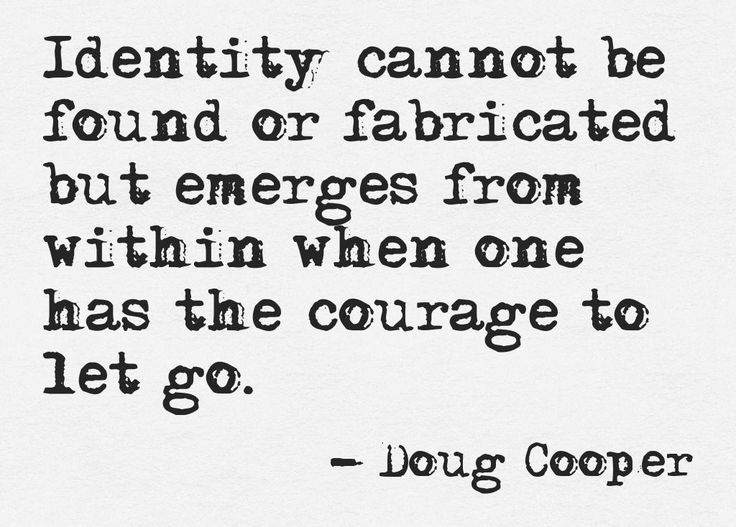
I was not only inspired to look further into folklore and mythology due to it's deep connection with cultural and societal identity, as is explored by Steffan and Tara, but because it is so ingrained within my own. Folkloristics is an integral part of anthropology, and as my love of history combined with my love of literature and storytelling, I once again became captured by the stories that excited me as a child. Over the years, I read widely on the subject, and having been able to explore my love of folklore on this blog and through my performance means that for me, I feel as though I will not only be presenting an old, forgotten story when I am on stage, but a large part of my own identity.
- Ben Johnson,"Tyno Helig - The Welsh Atlantis", http://www.historic-uk.com/HistoryUK/HistoryofWales/Tyno-Helig-The-Welsh-Atlantis/
- Ḏḥwty, "Cantre'r Gwaelod – The Mythical Sunken Kingdom of Wales", (2015), http://www.ancient-origins.net/myths-legends-europe/cantrer-gwaelod-mythical-sunken-kingdom-wales-003023
- Robinson, Tara. and Donnelly, Steffan. My Body Welsh, [London: Bloomsbury Methuen Drama, 2017]
- Sir John Rhys, "Celtic Folklore: Welsh and Manx: Volume 1", [Oxford: Clarendon Press, 1901]


